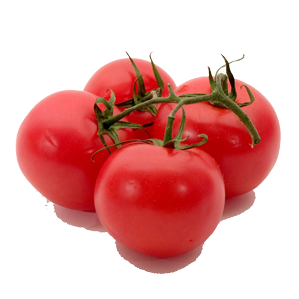
tomato, (Solanum lycopersicum), flowering plant of the nightshade family (Solanaceae), cultivated extensively for its edible fruits. Labelled as a vegetable for nutritional purposes, tomatoes are a good source of vitamin C and the phytochemical lycopene. The fruits are commonly eaten raw in salads, served as a cooked vegetable, used as an ingredient of various prepared dishes, and pickled. Additionally, a large percentage of the world’s tomato crop is used for processing; products include canned tomatoes, tomato juice, ketchup, puree, paste, and “sun-dried” tomatoes or dehydrated pulp.
Numerous varieties of the tomato plant are widely grown in temperate climates across the world, with greenhouses allowing for the production of tomatoes throughout all seasons of the year. Tomato plants typically grow to 1–3 meters (3–10 ft) in height. They are vines that have a weak stem that sprawls and typically needs support. Indeterminate tomato plants are perennials in their native habitat, but are cultivated as annuals. (Determinate, or bush, plants are annuals that stop growing at a certain height and produce a crop all at once.) The size of the tomato varies according to the cultivar, with a range of 1–10 cm (1⁄2–4 in) in width.