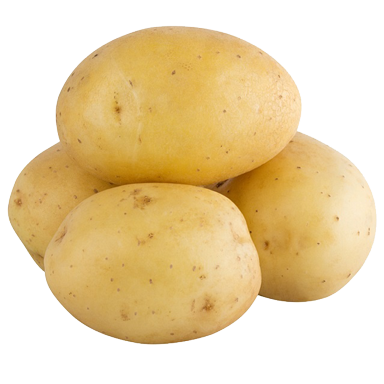
Potatoes are edible tubers, available worldwide and all year long. They are relatively cheap to grow, rich in nutrients, and they can make a delicious treat. The humble potato has fallen in popularity in recent years, due to the interest in low-carb foods. However, the fiber, vitamins, minerals, and phytochemicals it provides can help ward off disease and benefit human health.
Potatoes were first domesticated in the Andes in South America up to 10,000 years ago. Spanish explorers introduced them to Europe in the early 16th century. They are now the biggest vegetable crop in the United States (U.S.), where the average person eats 55 pounds, or 25 kilograms (kg) of potatoes every year. They are an important staple food in many countries around the world.
Potatoes were introduced to Europe from the Americas in the second half of the 16th century by the Spanish. Today they are a staple food in many parts of the world and an integral part of much of the world's food supply. As of 2014, potatoes were the world's fourth-largest food crop after maize (corn), wheat, and rice.Following millennia of selective breeding, there are now over 5,000 different types of potatoes.Over 99% of presently cultivated potatoes worldwide descended from varieties that originated in the lowlands of south-central Chile. The importance of the potato as a food source and culinary ingredient varies by region and is still changing. It remains an essential crop in Europe, especially Northern and Eastern Europe, where per capita production is still the highest in the world, while the most rapid expansion in production over the past few decades has occurred in southern and eastern Asia, with China and India leading the world in overall production as of 2018.